Most websites don’t fail dramatically. They just quietly underperform. People visit, glance around and leave without calling, and because nobody complains, the business never finds out. Here are five signs your site is costing you work, and what to do about each one.
1. It takes more than three seconds to load
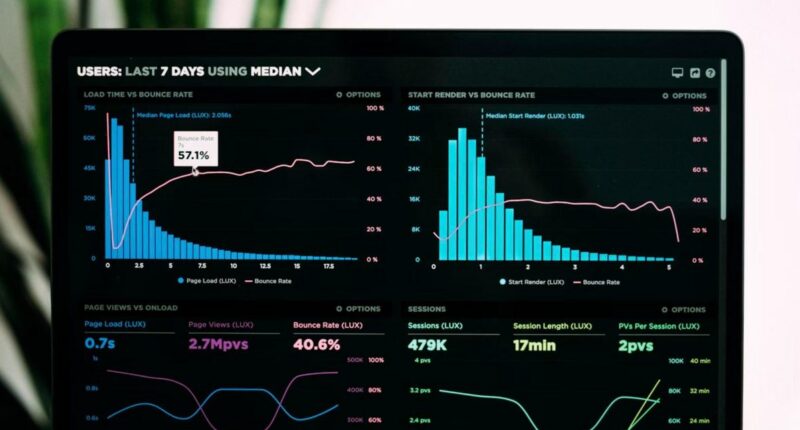
Speed is the first impression. Google’s own research shows the chance of someone leaving rises sharply as load time goes from one second to three. On a phone with a patchy signal, a heavy website feels broken.
Common culprits are huge uncompressed images, too many plugins and cheap hosting. Test your site with Google PageSpeed Insights. If your mobile score is in the red, that’s lost customers.
2. It’s awkward on a phone
Over 60% of visits to most small business sites now come from mobiles. If people have to pinch and zoom, hunt for your phone number or tap tiny buttons, they won’t bother. A good mobile site puts the number one tap away and keeps forms short.
3. Visitors can’t tell what you do within five seconds
Your homepage heading should say what you do and where, in words your customers use. “Innovative solutions for tomorrow” tells nobody anything. “Family-run plumbers in Banstead and Sutton” tells them they are in the right place.
4. There’s no clear next step
Every page should end with an obvious action: call, get a quote, book a visit. If the only contact option is a form hidden on a contact page, you’re making people work too hard. Add a clear button at the top and bottom of every page.
5. It looks out of date or untrustworthy
Old copyright dates, broken links, stock photos of people who clearly don’t work for you and a missing security padlock all chip away at trust. Visitors use your website to judge your work. If it looks neglected, they assume your service might be too.
Real reviews, real photos and examples of recent work do the opposite. Our case studies show how much difference these details make.
Frequently asked questions
How often should a small business update its website?
Small updates such as new work, reviews and news should happen monthly. Most sites benefit from a proper redesign every three to five years.
Is it better to refresh or rebuild my website?
If the structure and platform are sound, a refresh of design and content is often enough. If the site is slow, hard to update or not mobile friendly, a rebuild usually works out cheaper in the long run.
How do I know if my website is working?
Track enquiries, calls and form submissions, not just visitors. A free tool like Google Analytics, set up properly, will show you where people drop off.
Not sure how your site measures up? Our web design team will happily give it an honest once-over.